
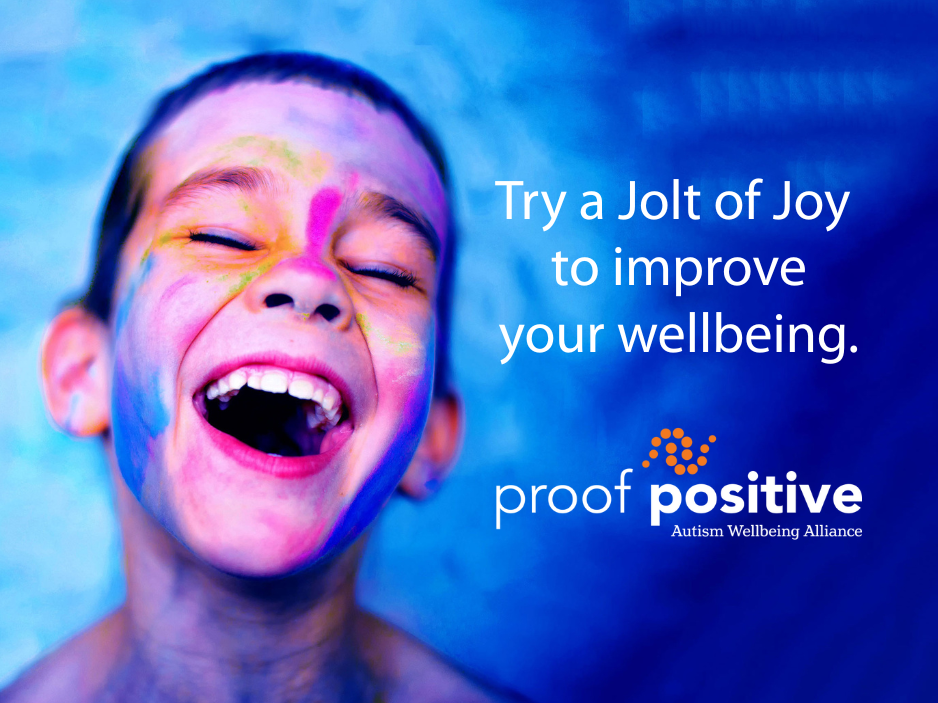

What brings you instant joy? Science shows that small, intentional moments of positive emotion can transform the way we think, learn, connect, and respond to challenge. Jolts of Joy is a structured, research-informed wellbeing resource designed to help individuals and communities intentionally cultivate joy, love, gratitude, awe, hope, and more.
Read on to learn more, and explore the full toolkit here: DISCOVER Jolts of Joy
What’s Inside the Toolkit?
The downloadable PDF is a comprehensive wellbeing resource organized into four key components:
1. The Science of Positive Emotions
The resource introduces the research behind positive emotions, drawing on Dr. Barbara Fredrickson’s Broaden-and-Build Theory (page 3). When we experience positive emotions:
- Our thinking becomes more creative and flexible
- Our visual field literally broadens
- We solve problems more effectively
- We build lasting psychological, physical, and social resources
The toolkit highlights 10 core positive emotions we need to flourish:
Joy, Love, Inspiration, Serenity, Amusement, Awe, Pride, Interest, Gratitude, and Hope (page 2).
Importantly, the resource also acknowledges diverse pathways to joy, including a section on Autistic Joy (page 2), recognizing that joy can emerge from deep focus, sensory delight, routines, or special interests.
2. A Structured Positive Intervention
Jolts of Joy is designed as a repeatable, measurable positive intervention (page 4).
Participants are guided to:
- Create a personalized “My Jolts of Joy” list (pages 4-6)
- Identify two quick, easy activities for each positive emotion
- Post their list visibly and set reminders
- Track wellbeing using a PERMA+ Snapshot
- Practice consistently over time
The resource also includes:
- A Jolts of Joy Journal (page 7)
- A 30-Day Jolts of Joy Challenge calendar (page 8)
- A Joy-inducing photo album practice (page 5)
This makes it ideal for:
- Advisory periods
- Staff wellbeing initiatives
- SEL lessons
- Coaching or mentoring conversations
3. Ready-to-Use Classroom Materials
For educators, the Unit Study Pack (page 9) includes classroom-ready tools such as:
- “My Emotional Brain” activity sheets (pages 10 & 36)
- An Emotions Game (page 11)
- Deep Dives into each positive emotion (pages 12-13)
- Positive/Negative Emotions Sorting Cards (pages 14-19)
- A 36×24” Jolts of Joy poster (page 9)
- Design Your Own Jolts of Joy List templates (pages 21-22)
- “Picture Your Joy” visual reflection sheets (pages 23-24)
- A Reflection Deck with prompts for all 10 positive emotions (pages 25-35)
The reflection deck alone provides dozens of structured conversation starters that can be used in small groups, classrooms, assemblies, or wellbeing workshops.
4. Whole-School & Community Integration
The resource extends beyond individuals to families, schools, and communities (pages 37-40).
For families:
- Create a Jolts of Joy Jar
- Start a “Text Happiness” good-news-only group
For schools:
- Add Jolts of Joy to morning announcements
- Start staff meetings with a positive emotion boost
- Assign rotating Jolt leaders
For communities:
- Launch a Jolts of Joy Challenge
- Spotlight positive emotion stories in newsletters
These ideas make positive emotions visible, contagious, and culturally embedded.
Why This Matters for Education
In times of stress and uncertainty, it can be tempting to focus solely on problem-solving. Jolts of Joy reminds us that wellbeing is also about actively cultivating positive emotion, alongside stress reduction.
Research shows that positive emotions:
- Increase creative thinking
- Improve sleep
- Reduce depression and anxiety
- Undo the physiological effects of stress
- Strengthen connection and resilience
When embedded intentionally in school communities, these small “jolts” can create upward spirals of learning, engagement, and belonging.
Small Moments, Big Impact
You don’t need an entire wellbeing overhaul to make a difference. Below are quick “jolts” that can create big impact:
A song during announcements.
A gratitude reflection at staff meeting.
A 2-minute celebration of good news.
A daily positive emotion check-in.
This toolkit offers both the science and the tools to make positive emotion a daily practice in our lives and school communities.





Comments +